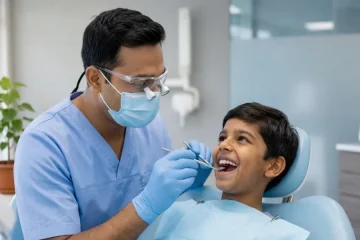
How Orthodontists Collaborate With General Dentists For Complete Care

You might be feeling a little unsure about who handles what when it comes to your smile. Maybe your general dentist mentioned crowding, bite problems, or braces, and now you are wondering whether you need a separate specialist, such as a Chicago orthodontist, how those providers work together, and whether you will end up repeating visits or paying for care twice. That uncertainty is common, especially when oral health decisions affect your time, your budget, and your comfort. The good news is that when care is coordinated well, your dentist and orthodontist each play a clear role, and that teamwork can lead to better results, fewer surprises, and a treatment plan that makes sense from start to finish.end
How Orthodontists Collaborate With General Dentists For Complete Care is really about shared planning. Your general dentist often spots early concerns during routine exams, while the orthodontist focuses on tooth movement and bite alignment. Together, they can protect your overall oral health while improving the way your teeth fit and function.
Why does coordinated dental and orthodontic care matter so much?
Your mouth does not separate itself into neat categories. A crooked tooth can be harder to clean. A bite issue can place uneven pressure on teeth. Gum inflammation can affect whether orthodontic treatment should start right away or wait. Because of that, isolated care can miss the full picture.
A general dentist usually monitors cleanings, fillings, gum health, cavities, and signs of wear. An orthodontist studies alignment, jaw relationships, spacing, and bite function. When those two professionals communicate well, you are less likely to have treatment that fixes one issue while ignoring another.
Think about a common example. A teenager needs braces, but also has a few cavities. If braces begin before those cavities are treated, plaque control may get harder and the dental problems can worsen. In a coordinated plan, the dentist restores the teeth first, then the orthodontist starts treatment at the right time. It sounds simple, but timing matters.
And what if the patient is an adult with gum recession, missing teeth, or old crowns? In that case, orthodontist and dentist teamwork can help sequence care so teeth are moved safely, restorations fit better, and long term maintenance is easier.
What does each provider handle during orthodontic treatment?
This is where many people feel confused. You may assume that once braces or aligners begin, the orthodontist takes over everything. Usually, that is not the case.
Your general dentist still handles preventive and restorative care. That includes exams, cleanings, X-rays when needed, fillings, and monitoring for gum disease or decay. Your orthodontist manages the mechanics of movement, which may include braces, clear aligners, retainers, and bite correction. If you want a plain language overview of orthodontic treatment, it helps explain what these services are meant to do.
So, where does that leave you? In most cases, it means you should keep seeing your regular dentist throughout treatment. Braces and aligners do not replace routine dental care. In fact, they make ongoing dental visits more important because cleaning around brackets or attachments can be harder.
What problems can happen if the orthodontist and general dentist do not communicate?
When communication is weak, the burden often falls on you. You may end up relaying information between offices, trying to remember treatment details, or discovering late in the process that a crown, extraction, implant, or gum issue changes the plan.
There can also be clinical setbacks. A tooth may need to be moved before a bridge or implant is placed. Gum disease may need control before braces are safe. A child with developmental or medical needs may need a more tailored plan, and the National Institute of Dental and Craniofacial Research offers helpful guidance on dental care for people with developmental disabilities.
Even seemingly minor concerns can matter. For example, a dental abscess is not something to brush aside while focusing on alignment. If there is pain, swelling, or infection, prompt dental care comes first. MedlinePlus explains tooth abscess symptoms and treatment in clear terms.
How can you tell if complete orthodontic care is really being coordinated?
Usually, coordinated care feels calmer. You hear a consistent message from both offices. You understand the sequence of treatment. Referrals make sense. Records are shared. Questions about cleanings, fillings, extractions, and retention have clear answers.
That does not mean every case is simple. Some plans involve phases, especially for children whose jaws are still growing. Others involve cosmetic and restorative work after tooth movement. Still, collaboration between orthodontists and dentists should reduce confusion, not add to it.
What should you compare before treatment starts?
Before you begin, it helps to look at a few practical points side by side. Not every patient needs the same level of planning, but this comparison can help you ask better questions.
| Area | General Dentist Role | Orthodontist Role | Why It Matters to You |
|---|---|---|---|
| Early detection | Spots crowding, bite wear, cavities, gum issues during checkups | Evaluates alignment, jaw growth, and tooth movement options | Problems are found sooner, often before they become harder or more costly to treat |
| Timing of treatment | Treats decay or gum disease before appliances begin | Starts braces or aligners when teeth and gums are ready | Reduces delays and lowers the risk of setbacks |
| Care during treatment | Continues cleanings, exams, fillings, and oral hygiene support | Adjusts braces, tracks movement, manages retainers | You keep both appearance goals and oral health on track |
| Complex cases | Coordinates crowns, bridges, implants, or periodontal care | Moves teeth into positions that support later dental work | The final result tends to function better and last longer |
What can you do right now to make orthodontic care smoother?
1. Ask who is leading each part of care.
At your next visit, ask a simple question. Who handles cleanings, fillings, X-rays, emergencies, and retainer follow up? Clear roles reduce stress, and they help you avoid assumptions that can lead to missed care.
2. Request a shared treatment timeline.
If extractions, gum treatment, crowns, or implants may be part of your plan, ask for the likely order of care. A rough timeline helps you prepare financially and logistically, and it gives both offices a framework to follow.
3. Keep routine dental visits during orthodontic treatment.
This matters more than many people realize. Whether you are seeing an orthodontist for braces or aligners, your regular dental checkups still protect you from cavities, inflammation, and problems that can interrupt progress.
Where does that leave you if you are deciding on treatment now?
You do not need to figure everything out alone. The best outcomes often come from steady, thoughtful teamwork, where your dentist protects the health of your teeth and gums, and your orthodontist guides movement and bite correction with that health in mind. If you are considering care, ask how the offices coordinate, how records are shared, and what your role will be along the way. A well planned path can make orthodontic treatment feel less overwhelming and much more manageable.