Triglycerides Meaning in Marathi: What They Are, Why They Rise and How to Keep Them in Check
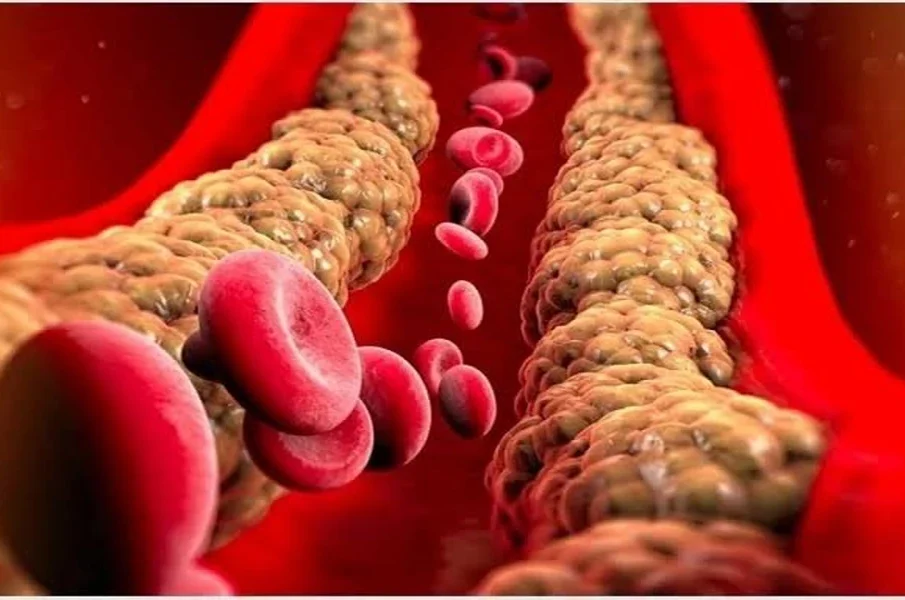
When a blood test report comes back, many people’s eyes go straight to one line in the lipid profile: triglycerides. If the number is printed in red, the obvious questions follow. What exactly is this, and how dangerous is a high reading? Thousands of Marathi-speaking readers type “triglycerides meaning in marathi” into a search engine every month because the English term on the report means little without context. This article explains the same thing in plain English: what triglycerides are, why they rise, what the risks are and the simple steps that bring them down.
What are triglycerides?
Triglycerides are a type of fat found in the blood. When you eat more energy than your body needs at that moment, especially from sugar, refined flour, rice and oily food, the surplus is not used straight away. The body converts it into triglycerides and stores it in fat cells. Between meals, or when energy is needed, the stored triglycerides are released and burned.
In other words, triglycerides are necessary. The problem begins when levels stay high for a long time, because then they become a risk to the heart, the liver and the pancreas.
How are triglycerides different from cholesterol?
Both are fats carried in the blood, but their jobs differ. Cholesterol is used to build cell walls and make certain hormones; triglycerides mainly store energy. High triglycerides often appear together with low HDL (the “good” cholesterol) and high LDL (the “bad” cholesterol), a combination that raises the risk of heart disease. That is why high cholesterol and triglycerides should be managed together rather than one at a time.
What is a normal level?
For adults, a fasting test is usually read as follows:
- Below 150 mg/dL: normal
- 150 to 199 mg/dL: borderline high
- 200 to 499 mg/dL: high
- 500 mg/dL or above: very high, with a raised risk of pancreatitis (inflammation of the pancreas)
Your personal target depends on your age, other conditions and heart health, so always discuss the report with your doctor rather than reading it in isolation.
Why do triglycerides rise?
- Sweets and refined flour: sugar, mithai, biscuits, bakery items, white rice and maida-based foods eaten in excess
- Sugary drinks: cold drinks, packaged juices and heavily sweetened tea
- Fried and packaged snacks: vada, bhaji, farsan and food cooked in reused oil
- Alcohol: even moderate amounts can push triglycerides up sharply
- Weight gain, particularly around the waist: belly fat and triglycerides are closely linked
- Lack of exercise: a sedentary routine
- Uncontrolled diabetes and thyroid disorders
- Certain medicines and family history
What happens when they stay high?
Usually nothing you can feel, which is exactly why regular testing matters. Many people discover the problem by chance, in a blood test done for some other reason. Over the long term, high levels can:
- Contribute to plaque in the arteries, raising the risk of heart attack and stroke
- Lead to fat building up in the liver, known as fatty liver
- Trigger pancreatitis when levels are very high (above 500 mg/dL), which causes severe abdominal pain and needs emergency care
How to bring triglycerides down
Changes to your diet
- Cut down on sugar, jaggery, sweets and sweetened drinks
- Replace white rice and maida with jowar, bajra, nachni (ragi) and wheat rotis or bhakri
- Fill half your plate with vegetables
- Include dals, pulses, buttermilk and curd
- Avoid fried food and farsan; measure cooking oil by the spoon
- If you eat fish, having it twice a week may help
- Use healthy fats such as walnuts, flaxseed and a small handful of almonds, in limited amounts
Changes to your routine
- Walk briskly for at least 30 minutes every day
- Lose weight gradually; even a 5 to 10 percent reduction can make a noticeable difference
- Avoid alcohol
- Stop smoking
- Sleep well and use yoga and pranayama to manage stress
The Ayurvedic view
Ayurveda links problems of this kind to an increase in meda dhatu (fat tissue) and Kapha dosha, with weak agni (digestive fire) as the root cause. It emphasises light, timely meals, an early and light dinner, avoiding daytime sleep and regular exercise. Herbs such as guggulu and triphala are traditionally used, but they should be taken only on the advice of a qualified doctor, particularly if you are on other medicines.
Getting the test right
Triglyceride levels rise soon after a meal, so for an accurate result you are generally asked to fast for 9 to 12 hours. Avoid alcohol and very sweet or oily food the day before, because they can inflate the number temporarily. Adults over 20 should have a lipid profile at least every five years; people with diabetes, high blood pressure, obesity or heart disease should test as often as their doctor advises. Keep every report so the trend is easy to see.
A simple one-week plan
- From Monday, halve the sugar in your tea
- Swap rice for a jowar or bajra bhakri at one meal a day
- Replace the evening farsan with roasted chana or a piece of fruit
- Finish dinner by 8 pm
- Take a 15-minute walk (shatapavali) after meals
When to see a doctor
- Triglycerides above 200 mg/dL
- Diabetes, high blood pressure or heart disease
- A family history of heart disease at a young age
- Sudden severe abdominal pain (go to a hospital immediately)
Your doctor may prescribe medicines if needed. Never stop them on your own.
In short
Readers looking up triglycerides in marathi usually want one plain answer: triglycerides are stored energy in the blood, and when there is more than the body needs, they become a risk to the heart and liver. The good news is that they respond quickly to changes in diet, activity and routine. Once you understand “triglycerides meaning in marathi” or in any language, the next step is the same: regular testing, sensible eating and steady effort under your doctor’s guidance.
Disclaimer: This article is for general information only and is not a substitute for medical advice. Please consult a qualified doctor before starting or changing any treatment.