UNDERSTANDING ALL-ON-FOUR DENTAL IMPLANT EXPENSES
1. INTRODUCTION
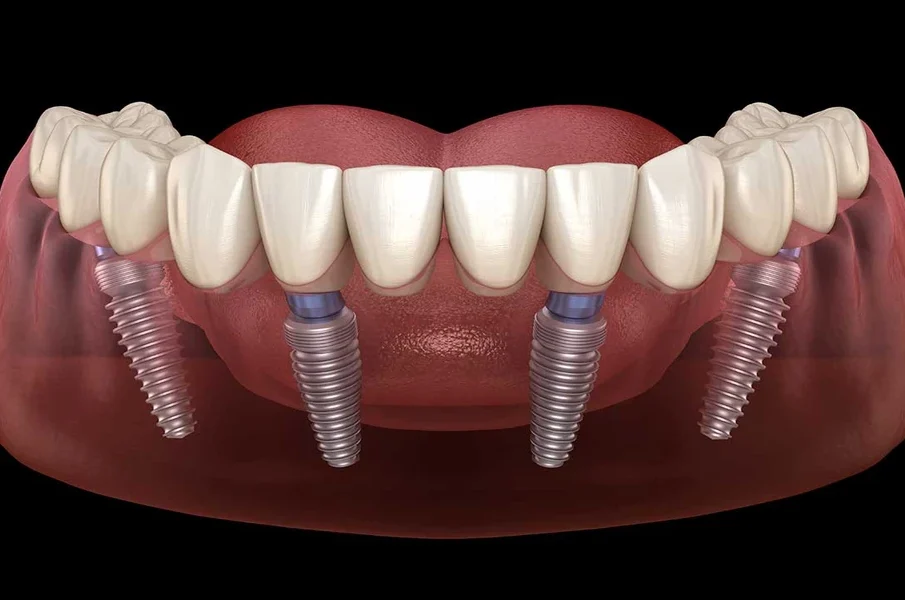
The All-on-Four procedure uses four implants to support a full-arch prosthesis while restoring a whole row of teeth. Although the idea seems simple, the cost might differ significantly among people. Because each treatment plan is dependent on variables including dental health, the state of the jaw, the kind of prosthetic teeth, and the degree of care given, there is no standard cost. Patients can assess quotes more rationally if they are aware of these distinctions.
Understanding the all on four dental implants cost can help patients prepare for the financial side of full-arch tooth replacement. The total expense is influenced by more than the four implants themselves and may include treatment planning, diagnostic scans, surgery, temporary teeth, and the final prosthetic restoration. Since each patient’s oral health and treatment requirements are different, discussing the complete treatment plan with a qualified dentist is the best way to get a clearer idea of the expected cost.
2. THE ROLE OF TREATMENT PLANNING
An essential component of the total cost is a thorough treatment plan. The dentist may examine the gums, jaw structure, bite, and remaining teeth before surgery. The proper implant locations can be ascertained using digital scanning and other diagnostic instruments. The professional charge may vary depending on how complicated this planning procedure is. More consultations and tighter monitoring during therapy may be necessary for more complex situations.
3. SURGICAL REQUIREMENTS
The overall cost of All-on-Four therapy may also include the surgical component. The implants must be positioned carefully throughout the treatment in order to provide the replacement arch sufficient support. The intricacy of the procedure may be impacted by variables such as the patient’s bone health and pre-existing oral issues. Teeth that cannot be saved may occasionally need to be removed either before or during the implant process.
4. THE TYPE OF PROSTHETIC TEETH
The prosthetic teeth that are affixed to the implants may account for a significant portion of the cost. Depending on their functional and cosmetic needs, patients may have a variety of alternatives. While some restorations prioritise strength and long-term usage, others are made to seem more natural. The prosthesis’s cost may vary depending on its design, materials, laboratory work, and finishing.
5. TEMPORARY RESTORATION EXPENSES
A temporary set of teeth may be given to patients while they recuperate. As the implants fuse with the jawbone, they are able to continue their daily activities. The interim restoration might be paid individually or included in the treatment package. Its material and design may also have an impact on the total cost.
6. AFTERCARE AND MAINTENANCE
After the permanent teeth are placed, the All-on-Four therapy may still be expensive. To examine the implants, bite, and restorative state, follow-up appointments could be required. Maintaining dental health may also need routine checkups and professional cleaning. Some aftercare may be covered for a certain amount of time, depending on the clinic, while other treatments could cost extra.
7. CONCLUSION
Examining the complete course of treatment rather than just the implant insertion is necessary to comprehend All-on-Four costs. The ultimate cost may be influenced by planning, surgery, prosthetic teeth, interim restorations, aftercare, and clinic rules. Before therapy starts, these components should be explained in detail in a transparent form. Patients can select an option that delivers true value rather than just the lowest initial price by taking the time to examine the entire package, professional competence, anticipated results, and continuing support.