How Family Dentistry Creates Positive First Dental Experiences
You might be bracing for tears, a clenched jaw, or a child who refuses to open their mouth the second they see a dental chair. A first visit can feel bigger than it should, especially when you want your child to feel safe and you know one bad appointment can stick for years. That worry makes sense. Early dental visits shape trust, and trust shapes whether a child grows up seeing oral care as routine or something to fear. Even when families are also thinking ahead about treatments like root canal therapy in Dumfries, VA, creating a calm, positive first experience can make all the difference.
How Family Dentistry Creates Positive First Dental Experiences comes down to something simple. The setting feels familiar, the pace fits a child’s needs, and the care team knows how to talk to both kids and parents without making either feel rushed. A good family dental care practice treats the first visit as more than a cleaning. It treats it as the start of a relationship.
Family dentistry reduces fear before it becomes a pattern
Children read the room fast. They notice voices, facial expressions, smells, and whether the adults around them seem tense. If a dental office feels cold or hurried, a child often reacts before anyone has said a word. That reaction is not bad behavior. It is self-protection.
A family dentist usually works with patients across age groups, which changes the tone of the office. Kids see siblings or parents getting care. The environment feels less like a place where something scary happens and more like a normal part of family life. That matters because routine lowers stress.
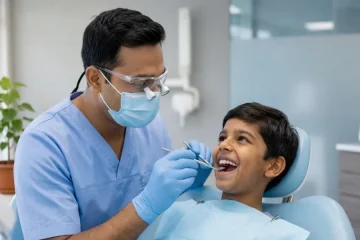
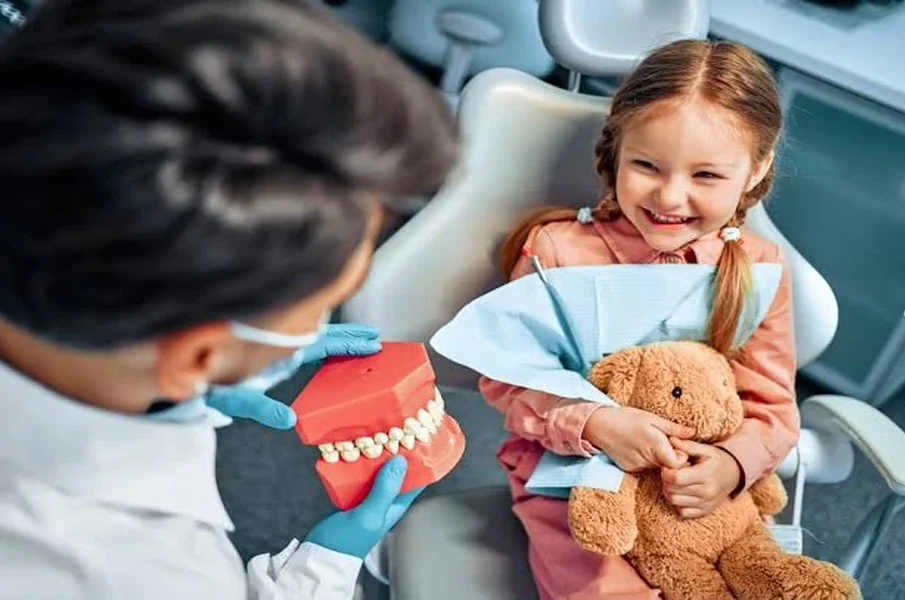
It also helps when the dentist explains each step in plain language. Instead of moving straight into an exam, they may show the mirror, count teeth out loud, or let a child sit with a parent nearby. These small choices build control, and control lowers fear. A child who feels trapped is more likely to resist. A child who feels included is more likely to cooperate.
The first appointment often sets the emotional tone for every visit after that. If your child leaves feeling proud, even if they were nervous at the start, the next appointment becomes easier. That is one of the clearest ways a positive pediatric dental introduction pays off over time.
Early, gentle visits support better oral health habits at home
Many parents wait until there is a problem because they do not want to put their child through an appointment too soon. The trouble is that pain changes everything. A child who first sees a dentist because of a toothache may connect dental care with discomfort from the start. Preventive visits create a different story.
When the first visit is calm, parents also get better information. You can ask about brushing struggles, thumb sucking, fluoride, snacks, or whether your child’s teeth are coming in as expected. The CDC’s oral health tips for children stress early prevention because habits and risk factors start long before a cavity becomes visible.
That guidance helps at home, where most dental habits are built. A family dentist can show you how much toothpaste to use, what brushing position works best for a wiggly toddler, and which signs mean it is time to come in sooner. For a broader overview of common concerns, MedlinePlus child dental health resources cover everyday issues parents often face.
Family dental visits make logistics easier for parents
There is also the practical side, and it is not small. When one office can care for several members of the household, scheduling becomes less chaotic. You are not trying to manage separate providers, separate records, and separate appointment systems. That convenience often means families are more likely to stay consistent with checkups.
Consistency matters more than perfection. Missing one visit does not ruin anything, but long gaps can turn a small issue into a larger one. A child who gets used to regular dental care is less likely to see appointments as punishment or an emergency response. They become part of life, like haircuts or school physicals.
For children who need more focused care because of age, development, or anxiety, pediatric specialists also play an important role. Tufts pediatric dentistry outlines how child-centered dental care supports young patients with preventive and restorative needs. In many cases, a family dentist is the steady first stop and can guide you if a specialist is the better fit.
Positive first dental experiences depend on preparation and approach
| Approach | Likely Child Response | Long Term Effect |
|---|---|---|
| First visit happens during pain or swelling | Higher fear, less trust, more resistance | Dental care may feel linked to pain and urgency |
| First visit is preventive and low pressure | More curiosity, better cooperation, less fear | Dental care feels routine and manageable |
| Office uses child-friendly language and pacing | Child feels included and safer | Stronger comfort with future visits |
| Parent uses threats or bribes before the visit | Child expects something bad | Anxiety can build before appointments even begin |
| Parent describes the visit simply and calmly | Child has clearer expectations | More trust in both parent and dental team |
Positive first dental experiences are rarely an accident. They usually come from timing, communication, and a dental team that understands how children process new situations. The service itself matters, but the delivery matters just as much.
Three steps you can take before the first appointment
Keep your description simple. Tell your child the dentist will count and look at their teeth, and help keep their mouth healthy. Avoid saying something will not hurt if you do not know that for sure. Children hear that phrase and assume pain is coming.
Schedule before a problem starts. A calm visit for an exam or cleaning is easier than a visit driven by pain. This is where a family dentist can make a real difference, because the goal is to build comfort before treatment is ever needed.
Choose a practice that welcomes family care. Look for signs that the office works well with children and adults, explains things clearly, and respects a child’s pace. A good first call can tell you a lot. If the team sounds rushed or dismissive on the phone, that often carries into the visit.
Calm early care builds confidence that lasts
Your child does not need a perfect first appointment. They need a respectful one. They need an office that expects nerves, responds with patience, and helps them leave feeling a little braver than when they arrived. That is how family dentistry helps create trust, and trust is what keeps dental care from becoming a battle later on.
If you are planning that first visit, focus less on getting through the appointment and more on setting the tone for the years ahead. A gentle, familiar, well-timed start can change the whole relationship your child has with oral health.