How to Take Care of Porcelain Veneers?

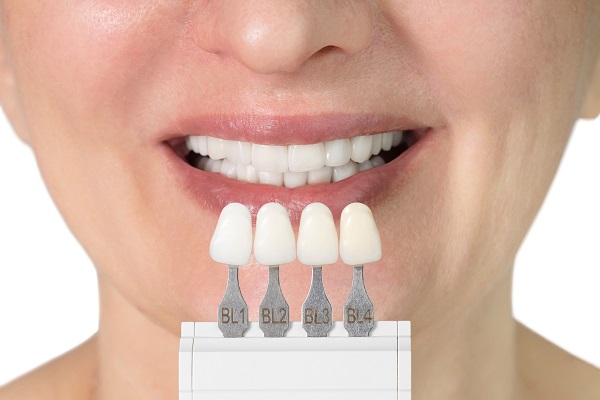
Porcelain veneers can dramatically enhance the appearance of your smile. These thin, custom-made shells of tooth-colored materials are designed to cover the front surface of teeth to improve their appearance. However, just like your natural teeth, they require proper care to ensure their longevity and maintain their pristine look. If you’ve recently invested in Porcelain veneers, you might be wondering how to take care of them effectively. Don’t worry—this guide is here to help you maintain your veneers and enjoy your smile for years to come!
What Are Porcelain Veneers?
Before diving into care instructions, let’s quickly review what porcelain veneers are. These thin layers of porcelain are bonded to the front of your teeth, designed to improve their shape, size, color, and overall appearance. They’re a popular cosmetic dental solution for people looking to fix issues like discolored, chipped, or uneven teeth.
Why Is Veneer Care Important?
Think of your veneers as the delicate, stylish finish on a luxury car. Just like the car needs regular maintenance to stay in top shape, your veneers need care to keep them looking flawless. Without proper care, your veneers could become damaged, stained, or worn down prematurely, resulting in the need for expensive repairs or replacements.
Basic Care Tips for Porcelain Veneers
Maintaining your porcelain veneers is relatively easy when you follow a few simple steps. Regular care not only extends the life of your veneers but also helps keep your smile radiant. Here’s what you need to know:
Daily Oral Hygiene Routine
Your daily routine should involve brushing twice a day and flossing daily. Use a soft-bristled toothbrush and non-abrasive toothpaste to avoid damaging the surface of your veneers. Gently brush the teeth, including around the edges of the veneers where plaque can accumulate. Avoid using harsh scrubbing motions as this can cause the porcelain to wear.
What to Avoid with Porcelain Veneers?
Certain habits can be harmful to your veneers. Avoid biting into hard objects like ice, pens, or fingernails. These actions can cause your veneers to crack or chip. It’s also essential to steer clear of grinding your teeth, which can put excessive pressure on the porcelain.
Protecting Your Veneers from Damage
Using a mouthguard while playing sports or at night (if you grind your teeth) can significantly reduce the risk of damaging your veneers. A dentist can custom-make a mouthguard that fits perfectly and provides optimal protection.
How to Avoid Staining Your Veneers?
While porcelain is resistant to staining, it’s still important to be mindful of your diet. Avoid consuming large amounts of coffee, tea, wine, or other staining substances. If you do indulge, brush your teeth afterward or rinse your mouth with water to minimize staining.
Visit Your Dentist Regularly
Even though porcelain veneers are durable, it’s crucial to schedule regular dental checkups to ensure everything is in good condition. Your dentist will check for any signs of wear, damage, or discomfort. Professional cleanings will also help maintain the look and feel of your veneers.
Do Veneers Require Special Toothpaste?
No, you don’t need special toothpaste for porcelain veneers. However, avoid using toothpaste with abrasive ingredients, as they can scratch the surface of the porcelain. A non-abrasive, fluoride-based toothpaste is a safe option to maintain the shine and polish of your veneers.
Can You Eat with Porcelain Veneers?
Yes, you can eat with porcelain veneers just as you would with your natural teeth. However, it’s best to avoid chewing on hard foods, such as nuts or ice, which could lead to cracks or chips in the veneers. Cutting food into smaller pieces can also prevent unnecessary pressure on your teeth.
Caring for Porcelain Veneers While Traveling
When traveling, it’s essential to pack your regular oral care products, including a soft toothbrush, toothpaste, and dental floss. This ensures that you can maintain your usual routine and protect your veneers, even when you’re away from home.
Can Porcelain Veneers Be Repaired?
If a veneer is chipped or damaged, it is possible to repair or replace it, but it will require a visit to the dentist. Always address any damage as soon as possible to avoid further complications.
How Long Do Porcelain Veneers Last?
On average, porcelain veneers can last between 10 and 15 years with proper care. Their durability depends on how well you follow the recommended care practices, including regular cleaning and visits to the dentist.
How to Choose the Right Dentist for Veneer Care?
Selecting the right dentist for your veneer care is crucial for long-lasting results. Look for a dentist with experience in cosmetic dentistry and a reputation for handling porcelain veneers. Ensure that they offer aftercare instructions and support in case any issues arise.
Conclusion
Taking care of your porcelain veneers doesn’t have to be complicated. By following a few simple steps—like brushing regularly, avoiding hard foods, and visiting your dentist—you can keep your veneers looking beautiful for years. Treat your veneers with the care they deserve, and they’ll reward you with a stunning, confident smile.
FAQs
1. How often should I visit the dentist after getting porcelain veneers? You should visit your dentist every six months for regular checkups and cleanings to ensure your veneers remain in top condition.
2. Can porcelain veneers be whitened? No, porcelain veneers cannot be whitened. If they become stained, they may need to be replaced.
3. Are porcelain veneers more durable than composite veneers? Yes, porcelain veneers are generally more durable and resistant to staining compared to Composite veneers.
4. Can I chew gum with porcelain veneers? While it’s not harmful to chew gum, it’s best to avoid sticky or chewy gum that could pull on your veneers.
5. What happens if I crack a porcelain veneer? If you crack a porcelain veneer, contact your dentist immediately for repair or replacement options.