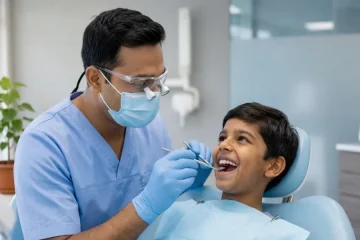
How General Dentistry Helps Patients Feel Confident In Their Smiles
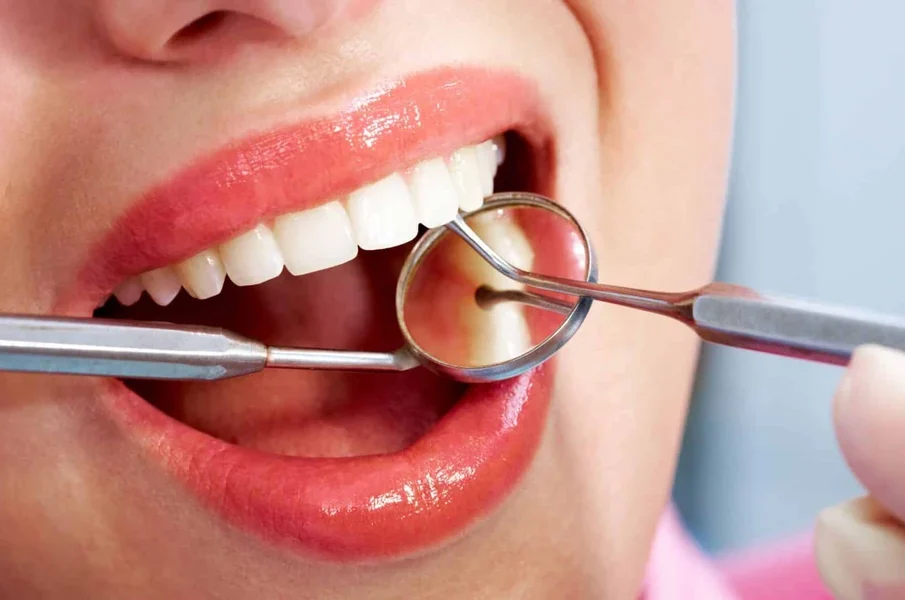
You notice it in small moments first. You cover your mouth when you laugh, you angle your face away in photos, or you keep your lips closed when someone says, “Smile.” It can feel minor from the outside, but when you think about your teeth all day, it wears on you. Confidence drops fast when your smile does not feel like your own. For many people exploring Chelsea dental implants, that loss of confidence is what finally pushes them to make a change.
A general dentist often becomes the first real step back to comfort, not just because of cleaner teeth or fewer cavities, but because everyday dental care changes how you eat, speak, and show up around other people. Good dental care supports health and appearance at the same time. That is the part many people miss. A confident smile usually starts with the basics being handled well.
General dentistry improves smile confidence by solving everyday problems
Most people do not lose confidence in one dramatic moment. It builds slowly. A chipped tooth that never got fixed. Gums that bleed when you brush. Breath that makes you second guess close conversations. Stains from coffee, tea, or smoking. Pain when you chew on one side. Each issue may seem manageable on its own, but together they can make smiling feel exposed.
How General Dentistry Helps Patients Feel Confident In Their Smiles comes down to something simple. General dentistry finds problems early, treats common concerns, and helps prevent small issues from turning into visible or painful ones. Cleanings, exams, fillings, gum care, and guidance on home habits all work together. When your mouth feels healthy, your smile looks more relaxed because you are not trying to hide discomfort.
This is also where emotional stress and oral health start feeding each other. If you feel embarrassed, you may delay visits. If you delay visits, plaque builds up, gum irritation gets worse, and stains or decay become harder to ignore. That cycle can go on for years. Routine care breaks it.
The science behind that routine care is clear. The Centers for Disease Control and Prevention explains that oral health is connected to overall health, including your ability to eat, speak, and live without pain. You can read more through the CDC’s overview of oral health. Confidence is not separate from that. It grows when your mouth feels clean, stable, and pain free.
Everyday dental care supports both appearance and health
People often think of cosmetic work when they think about a better smile, yet many visible improvements begin with standard care. A professional cleaning can remove surface buildup that brushing at home cannot. A filling can restore the shape of a tooth that looked dark or worn. Gum treatment can reduce redness and swelling, which changes the whole look of a smile even before anything else is done.
A patient might come in worried about yellow teeth and leave realizing the larger issue was plaque and tartar along the gumline. Another might assume they need major treatment, then find out that a minor repair and regular cleanings make a big difference. This is why routine dental care for confident smiles matters. It gives you a clear picture of what is really going on instead of leaving you to guess in the mirror.
General dentistry also helps protect the results you care about. Whitening means less if decay is forming between teeth. Straight-looking teeth still feel hard to show if your gums bleed. A healthy smile has a different kind of confidence because it is supported, not patched together.
Home care and professional dental care are not the same thing
Brushing and flossing at home matter every day, but they do not replace professional care. Home care helps maintain health between visits. A dentist checks what you cannot easily see and treats what home tools cannot remove or repair. The CDC shares practical oral health tips for adults that support this daily routine, including brushing with fluoride toothpaste, cleaning between teeth, and avoiding tobacco products.
| Concern | Home Care | General Dentistry |
|---|---|---|
| Surface plaque | Helps reduce daily buildup with brushing and flossing | Removes hardened tartar during cleanings |
| Bad breath | May improve if caused by food or dry mouth | Can identify gum disease, decay, or infection causing ongoing odor |
| Tooth pain | Does not fix the cause | Diagnoses and treats cavities, cracks, and other problems |
| Stained smile | Limits new stains with good habits | Removes buildup and can discuss safe options for appearance |
| Bleeding gums | Supports gum health with steady flossing | Treats inflammation and checks for periodontal issues |
This is where many people get stuck. They are doing their best at home, but they still feel unhappy with how their smile looks. That does not mean they failed. It usually means the issue has moved past what a toothbrush can solve.
Small dental problems often have a big effect on self esteem
A lot of smile confidence comes from predictability. You want to know your breath is fresh. You want to chew without pain. You want to speak without worrying that someone is staring at a damaged tooth. smile confidence through dental care grows when those daily doubts start disappearing.
General dentistry helps by making your mouth feel dependable again. That may sound basic, but it changes a lot. People smile more when they are not bracing for pain. They socialize more easily when they are not worried about odor or visible buildup. They stop postponing photos and conversations. The shift is practical before it is emotional, and then the emotional part catches up.
Three steps you can take now to feel better about your smile
1. Pay attention to what you are avoiding. If you chew on one side, hide your teeth in photos, or notice bleeding when you brush, those are useful signals. Write down what you have been putting up with. That list often explains more than a quick glance in the mirror.
2. Tighten up your daily habits. Brush twice a day with fluoride toothpaste, clean between your teeth once a day, and cut back on habits that stain or dry your mouth. These steps sound ordinary because they work. They also help any in office treatment last longer.
3. Schedule a general dentist visit before the problem grows. Early care is usually simpler, less stressful, and less expensive than delayed care. Even if you feel embarrassed about how long it has been, dental teams see that every day. The visit is for solutions, not judgment.
A healthier smile often becomes a more confident smile
You do not need a perfect smile to feel good about it. You need a smile that feels clean, healthy, and cared for. That is where general dentistry makes a real difference. It handles the problems that quietly drain confidence and gives you a path that feels manageable.
If your smile has been making you hold back, now is a good time to take the next step. Reach out to a general dentist and get clear on what your teeth and gums need. A little support can change how you feel every time you speak, laugh, or look in the mirror.