
3 Reasons Preventive Dentistry Protects Cosmetic Dental Investments
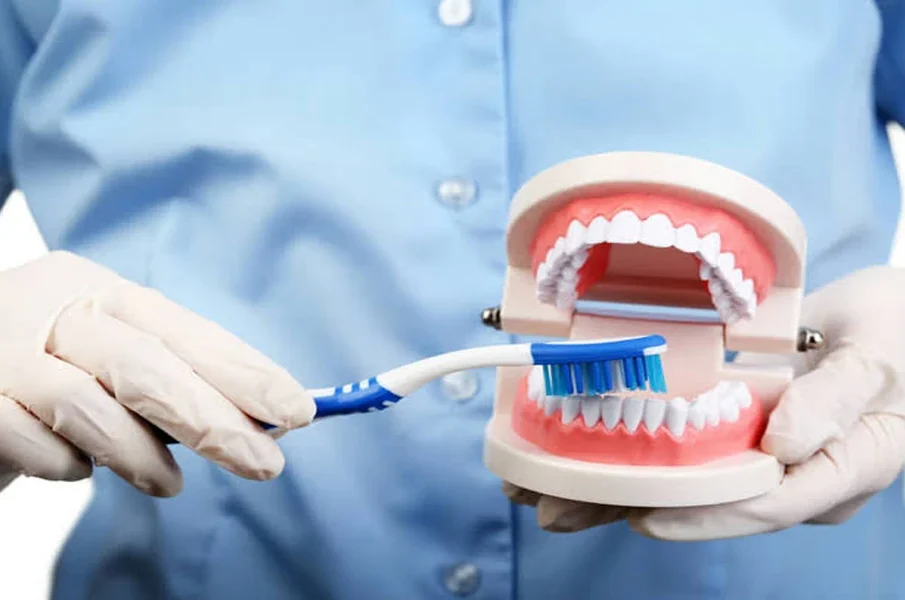
You paid for a smile you feel good about, and you want it to stay that way. That is a normal concern. Veneers, whitening, bonding, and crowns can change how you look and how you carry yourself, and many people who choose cosmetic dentistry in Commack, NY feel that confidence boost, but they still depend on the health of the teeth and gums underneath. When routine care slips, the cosmetic work you invested in can lose its look, loosen, stain, or need replacement sooner than expected.
That is why preventive dentistry protects cosmetic dental investments in a very practical way. Cleanings, exams, fluoride, home care, and early treatment do more than prevent cavities. They help preserve the fit, color, and stability of cosmetic work, and they reduce the chance that a small issue turns into a costly repair. If you have ever worried that one missed problem could undo years of dental work, that worry makes sense.
Healthy gums keep cosmetic dental work stable and attractive
Cosmetic dentistry gets most of the attention because it is what people see first. Gum health decides how long that result lasts. Inflamed gums can pull away from teeth, bleed during brushing, and create uneven edges around veneers or crowns. A smile that once looked balanced can start to look off, even when the restoration itself is still intact.
Gum disease can damage the tissues that support your teeth, and that matters for every cosmetic treatment. If the foundation changes, the visible result changes with it. You might notice dark margins near a crown, a veneer that no longer seems to line up the same way, or teeth that feel slightly different when you bite. These are not just cosmetic annoyances. They can be signs that the underlying support is shifting.
This is one of the clearest reasons preventive dental care for cosmetic work matters. Regular exams and cleanings catch gum inflammation early, when it is easier to manage. That protects your smile and helps you avoid treatment that can be more involved, more expensive, and more stressful later.
Early prevention lowers the risk of hidden damage under restorations
Cosmetic treatments do not make teeth immune to decay. A crown can still develop decay at the margin. Bonding can chip and create areas where plaque collects. Veneers can look flawless from the front while a problem starts where you cannot see it. That is the part many people do not realize until something feels wrong.
You may be brushing every day and still miss the tight spaces around dental work. Plaque hardens into tartar, bacteria settle in, and small changes start quietly. By the time there is pain, the repair may be bigger than expected. A touch up becomes a replacement. A simple filling becomes work on a tooth that already carries an investment.
Preventive oral care recommended by the CDC supports the basics that keep this from happening, including brushing with fluoride toothpaste, cleaning between teeth, and seeing a dental professional regularly. These habits sound simple because they are, but they protect the edges, surfaces, and supporting structures that cosmetic treatments rely on.
This is where a family and cosmetic dentist can be especially helpful. Preventive visits are not just about finding cavities. They are also about checking how your existing dental work is wearing, whether your bite is putting stress on a crown or veneer, and whether early staining or roughness can be corrected before it becomes a larger issue.
Routine care helps cosmetic results last longer and cost less over time
Most people do not mind maintaining something they value. They just want to know the maintenance is worth it. With cosmetic dentistry, it usually is. Preventive care tends to cost far less than replacing damaged restorations, especially when multiple teeth are involved. It also protects the time and emotional energy you already spent getting the look you wanted.
The larger picture supports that approach. The National Institute of Dental and Craniofacial Research report on oral health in America shows that oral health affects comfort, function, appearance, and quality of life across the lifespan. Cosmetic treatment sits inside that bigger reality. A bright smile matters, but the ability to keep it healthy, comfortable, and stable matters just as much.
Cosmetic dentistry maintenance is not an extra add on. It is part of protecting the result. If you grind your teeth, skip cleanings, or wait on sensitivity because life is busy, the cost often shows up later in the form of repairs that could have been avoided.
Preventive care costs less than replacing cosmetic dental work
| Situation | With Preventive Care | Without Consistent Prevention |
|---|---|---|
| Gum inflammation around veneers or crowns | Often managed early with cleaning, home care changes, and monitoring | Can lead to recession, visible margins, and a less natural appearance |
| Small decay near a restoration | May be treated before the restoration is compromised | Can spread under the restoration and require replacement |
| Night grinding or bite stress | Detected during exams, often managed with a guard or bite adjustment | Can cause chips, cracks, wear, and shortened lifespan of cosmetic work |
| Surface stains and plaque buildup | Professional cleaning helps preserve brightness and smooth surfaces | Can dull the appearance and make cosmetic work look older sooner |
Small steps now protect your smile investment
Stay on a regular exam and cleaning schedule. If you have veneers, crowns, bonding, implants, or whitening you want to maintain, routine visits are part of the treatment plan, even if no one called them that at the start. Consistent checkups help catch gum changes, bite problems, and early decay before they affect the look or function of your dental work.
Clean around cosmetic work with more care, not more force. Aggressive brushing can irritate gums and wear surfaces. Use a soft toothbrush, fluoride toothpaste, and floss or interdental cleaners every day. If a certain area always catches food or feels rough, do not ignore it. That detail often points to a place that needs attention.
Protect your restorations from daily wear. If you clench or grind, ask about a night guard. If you use your teeth to open packages or chew ice, stop now. If whitening products or abrasive pastes are part of your routine, check that they are safe for your existing dental work. Small habits shape how long your results last.
Your smile can stay healthy and look good for years, but it rarely happens by accident. Prevention supports the work you already paid for, protects the teeth and gums underneath it, and helps you avoid repairs that feel frustrating and unnecessary. If you want to keep your cosmetic results looking their best, schedule a visit with a family and cosmetic dentist and make prevention part of the investment.

Leave a reply
You must be logged in to post a comment.


